 |
| Ducks in a frenzy as a raptor soars overhead |
MOUNT ABU BIRDS MY PERSONAL COLLECTION
Welcome to mountabubirds.blogspot.com
Mount Abu Birds: My Personal Collection
There is a comforting myth about Mount Abu — that its elevation, its forests, and its reputation as Rajasthan’s only hill station protect it.
That myth is wearing thin.
This blog is no longer just collecting bird photographs. It is becoming a record of a landscape under strain—one frame, one sighting, one absence at a time.
What the Eye Misses
To a visitor, Mount Abu still looks alive. The hills flush green after a decent monsoon. The mornings carry birdsong. But walk the same paths long enough—as I have—and patterns break. There was a time when a morning near the old temple tracks or the road to Achalgarh meant steady activity—munias feeding, barbets calling, flycatchers darting through the shade. Now, there are mornings when you wait longer… and hear less.
Moments That Define the Hills
Some sightings stay with you because they mark a place in time.
A pair of Oriental Honey Buzzards circling high above the ridgelines during April—effortless, unbothered, owning the thermals. I’ve watched them year after year, but their appearances feel less predictable now.
A sudden flash of white in the forest's gloom—the unmistakable glide of an Indian Paradise Flycatcher male. For a few seconds, the forest feels untouched, timeless. Then it vanishes, and the silence returns just a little too. And then there is what I call the “Duck Pond”—that quiet stretch near the Mahadeva Temple before Achalgarh. A small, unassuming body of water, but in the right conditions, it comes alive. Winters have brought wagtails, ducks, and unexpected visitors—like miniature versions of those found in larger wetlands. But even here, the water levels now dictate everything. A poor monsoon, and the life thins out.
These are not just sightings. They are benchmarks.
From Hobby to Documentation
I started with curiosity and a simple camera. Today, I use a Canon 550D, but the intention has shifted. This is no longer about chasing the perfect shot. It is about recording what is still here—while it is still here. Because each photograph feels like a timestamp.
The Disappearances
Now, spotting an Egyptian vulture or an Indian vulture feels like witnessing something on the edge.
Their decline is not abstract. The signs are there in the vacant heavens, in bodies left to decay beyond reason, and in the void where a creature once maintained ecological equilibrium. And they are not alone.
When the Honey Buzzards become irregular, when flycatchers seem fewer, when winter visitors hesitate—it adds up.
Pressure Point: Naming the Reality
Mount Abu is being stretched.
* Tourism surges that overwhelm roads and silence alike
* Construction that inches further into what should remain untouched
* Water scarcity that turns small habitats—like the Duck Pond—into seasonal gambles
* Increasing disturbance in forest zones that were once quiet
None of this happens in isolation. And none of it leaves bird-life unaffected.
Birds Don’t Lie
Birds adjust quickly—or they disappear.
When a Paradise Flycatcher stops returning to a familiar patch…
When Honey Buzzards no longer circle as they once did…
When a water body falls silent in winter…
These are not small changes.
They are warnings.
Beyond Abu
Step outside these hills and the pattern repeats.
In Gujarat, wetlands pulse with life one season and struggle the next.
In the Western Ghats, forests remain rich—but under constant pressure.
Unique landscapes. Same underlying strain.
Why This Collection Exists
This is not a curated gallery.
It is a field record of sightings, of absences, of change over time.
Because memory fades. Landscapes change. Species slip away quietly.
Photographs don’t argue. They simply show what was there
A Final Word
Mount Abu is still alive.
You can still stand under a clear sky and watch a raptor ride the thermals. You can still catch a glimpse of brilliance deep in the forest.
But the margins are shrinking.
And unless something changes, these sightings—the Honey Buzzard overhead, the Paradise Flycatcher in shadow, the winter life at the Duck Pond—will become less routine and rarer.
The birds are saying it clearly.
The question is—are we paying attention?
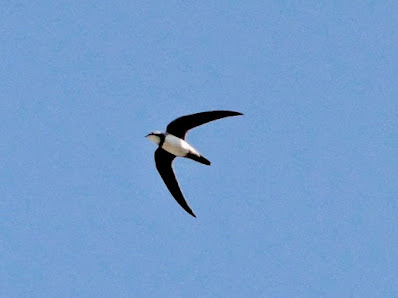 |
| Alpine Swift - Apus melba |
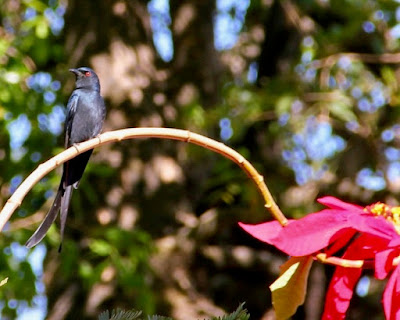 |
| Ashy Drongo - Dicrurus leucophaeus |
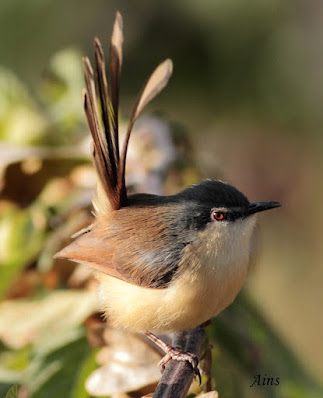 |
| Ashy Prinia - Prinia socialis |
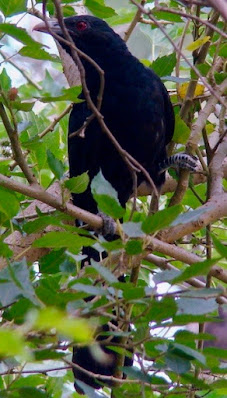 |
| Asian Koel - Eudynamys scolopaceus |
 |
Asian Koel Eudynamys scolopaceus-female |
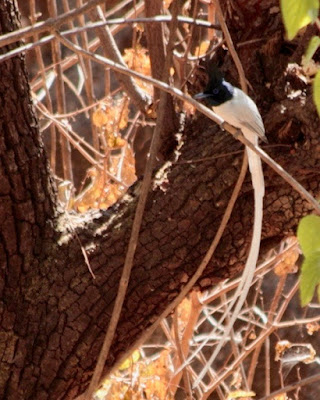 |
| Indian Paradise-Flycatcher - Terpsiphone paradisi |
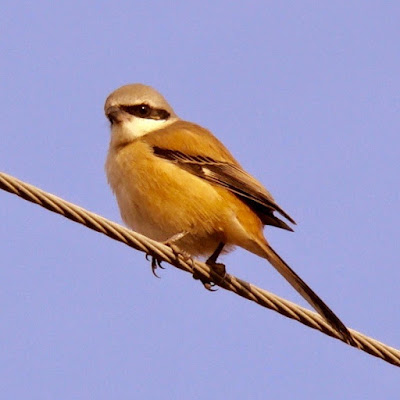 |
| Bay Backed Shrike Lanius vitta |
 |
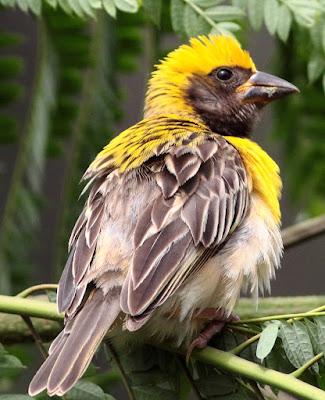
| Baya Weaver - Ploceus philippinus |
 |
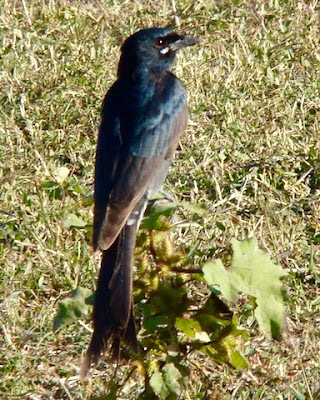
| Baya Weaver - Ploceus philippinus |
 |
| Black Drongo Dicrurus macrocercus |
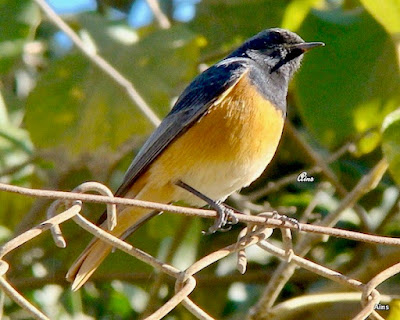 |
Black Redstart Phoenicurus ochruros-male |
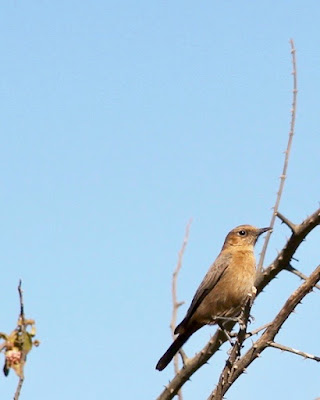 |
Black Redstart Phoenicurus ochruros-male |

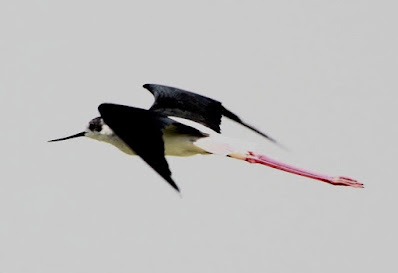 |
Black-Winged Stilt Himantopus himantopus |
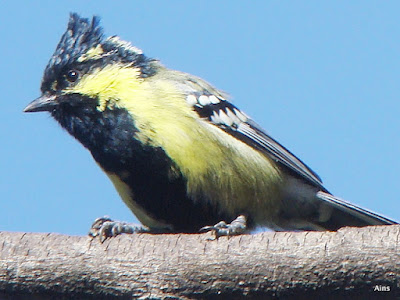 |
| Black-lored Tit Parus xanthogenys xanthogenys |
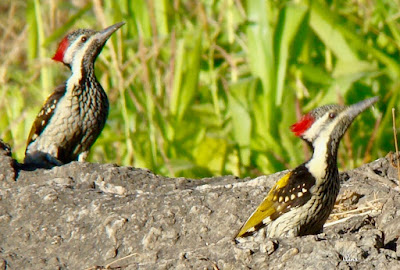 |
Black-rumped Flameback Dinopium benghalense benghalense - Pair |
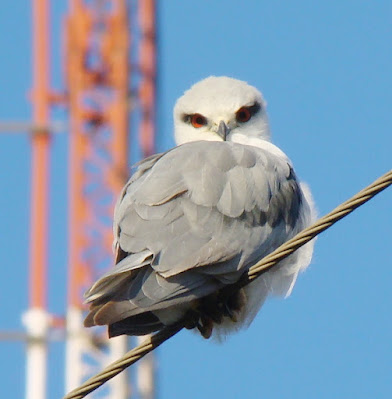 |
| Black-shouldered Kite Elanus caeruleus |
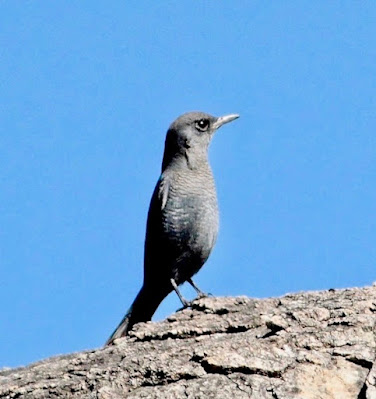 |
Blue Rock Thrush Monticola solitarius pandoo |
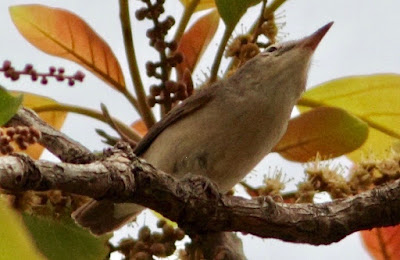 |
| Blyth's Reed Warbler Acrocephalus dumetorum |
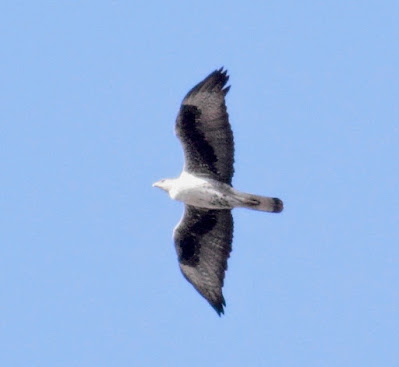 |
| Bonelli's Eagle Aquila fasciata fasciata - Adult in flight |
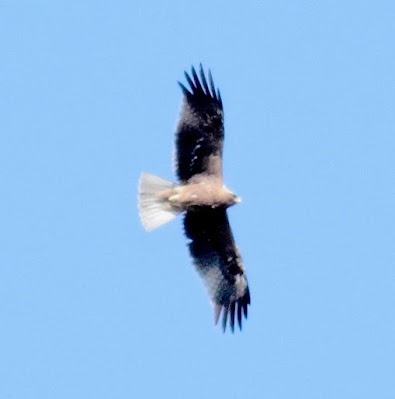 |
Booted Eagle Hieraaetus pennatus - Dark morph in flight |
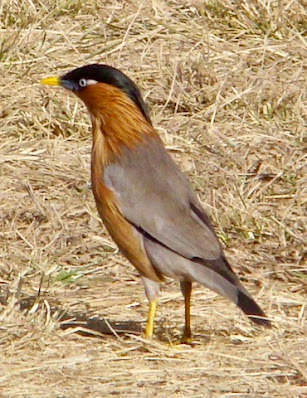 |
| Brahmin Myna Sturnia pagodarum. |
 |
| Brown Rock-chat Cercomela fusca |
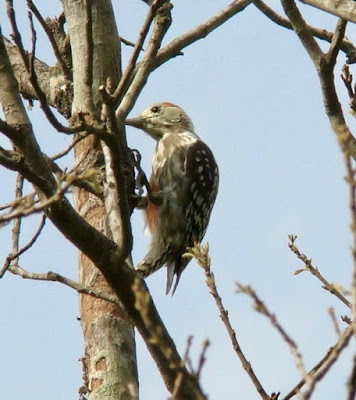 |
Brown-capped Pygmy Woodpecker Dendrocopos nanus |
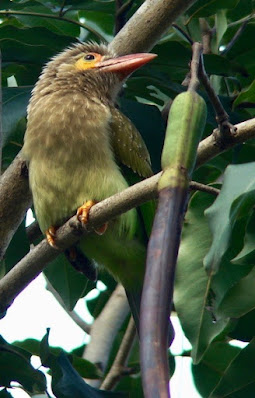 |
| Brown-headed Barbet Megalaima zeylanica |
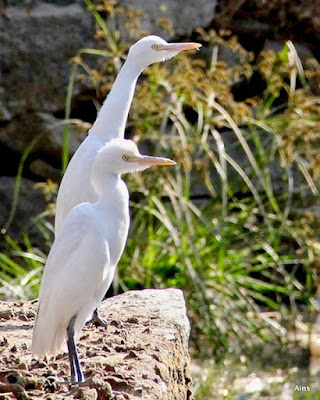 |
Cattle Egret Bubulcus ibis coromandus - Non-breeding |
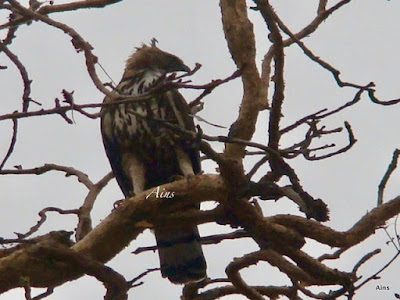 |
Changeable Hawk Eagle Nisaetus cirrhatus cirrhatus - Adult |
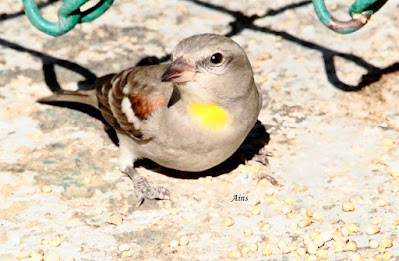 |
| Yellow-throated Sparrow (Gymnoris xanthocollis) |
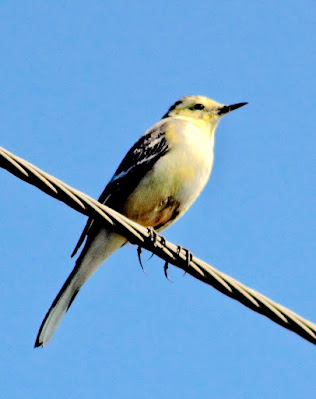 |
| Citrine Wagtail Motacilla citreola |
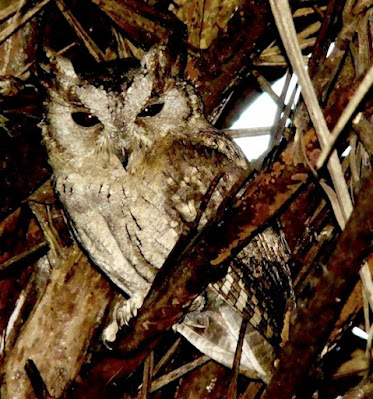 |
| Collared Scops Owl Otus lettia. |
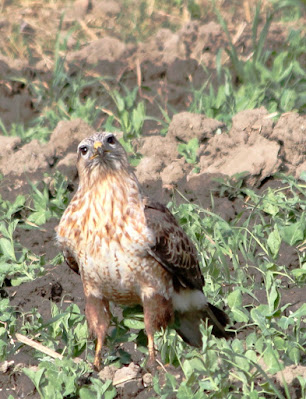 |
| Long-legged Buzzard - Buteo rufinus |
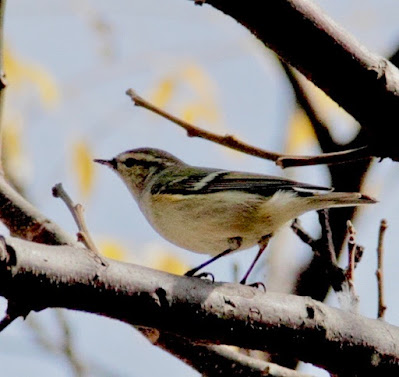 |
Common Chiffchaff Phylloscopus collybita |
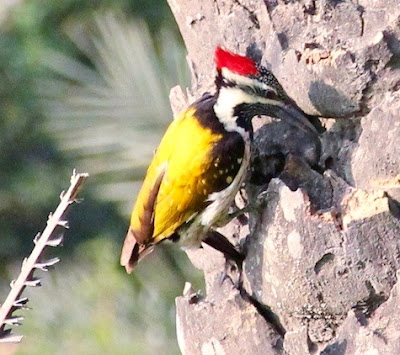 |
Common Flameback Dinopium javanense |
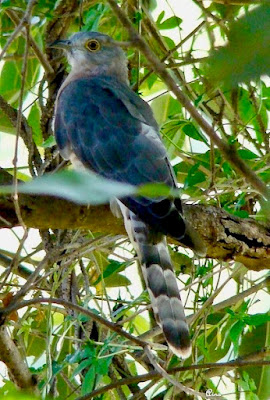 |
Common Hawk Cuckoo Hierococcyx varius - Adult |
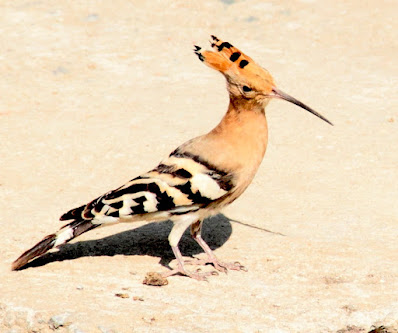 |
| Common Hoopoe Upupa epops epops - Adult |
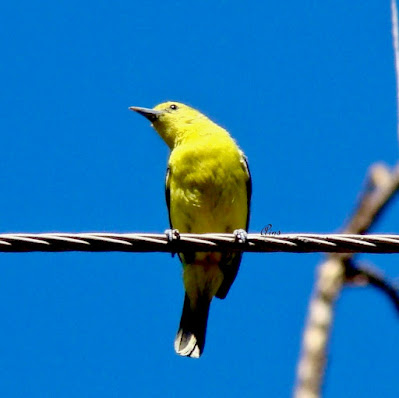 |
| Common Iora Aegithina tiphia |
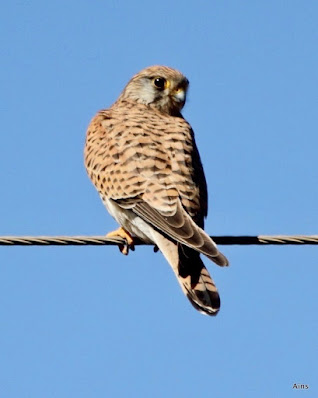 |
| Common Kestrel Falco tinnunculus |
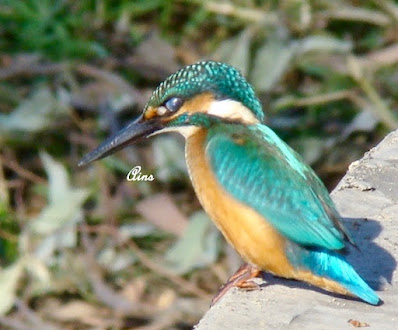 |
Common Kingfisher Alcedo atthis |
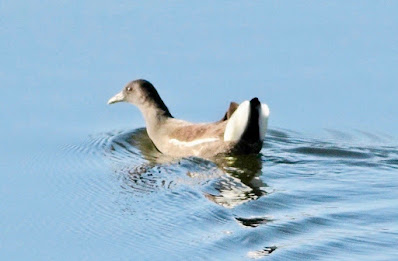 |
| Common Moorhen Gallinula chloropus |

 |
| Common Pochard Aythya ferina.- pair |
 |
Common Rosefinch Carpodacus erythrinus - Male |
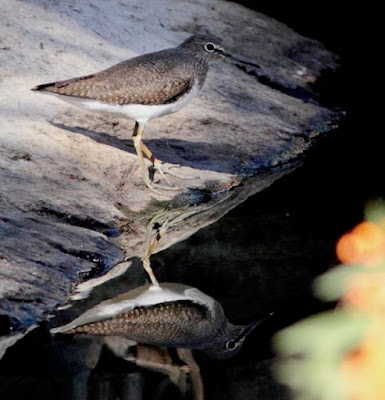 |
| Green Sandpiper - Tringa ochropus |
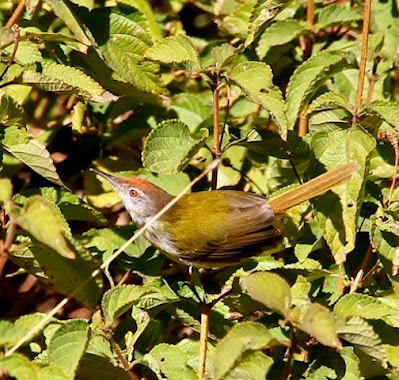 |
Common Tailorbird Orthotomus sutorius sutorius |
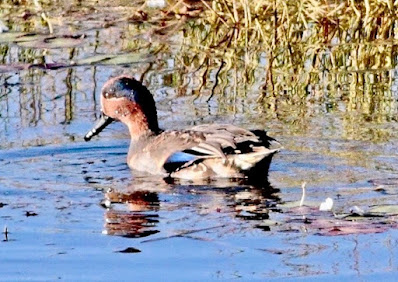 |
Common Teal Anas crecca. |

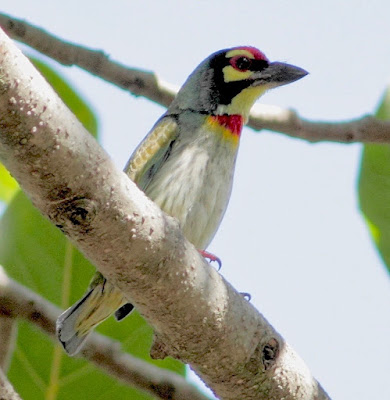 |
| Coppersmith Barbet Megalaima haemacephala indicia |
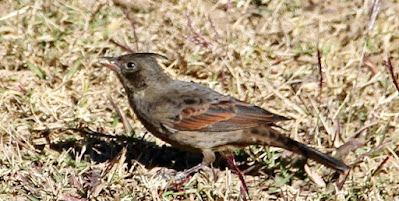 |
| Crested Bunting Melophus lathami female |
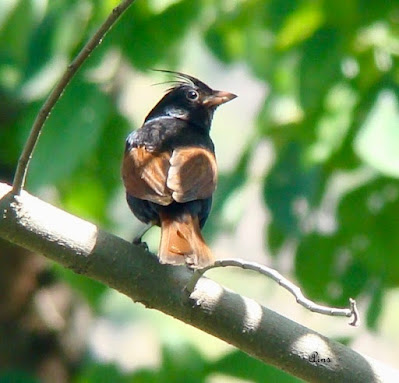 |
Crested Bunting Melophus lathami - male |

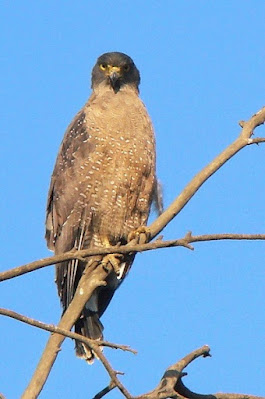 |
Crested Serpent Eagle Spilornis cheela Adult |
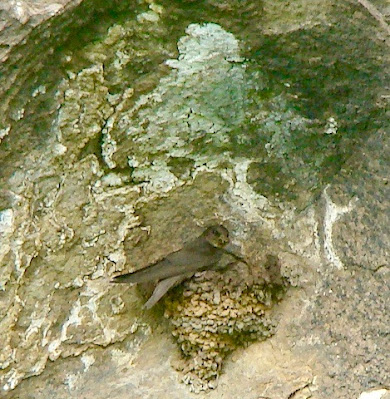 |
| Dusky Crag Martin Hirundo concolor concolor |
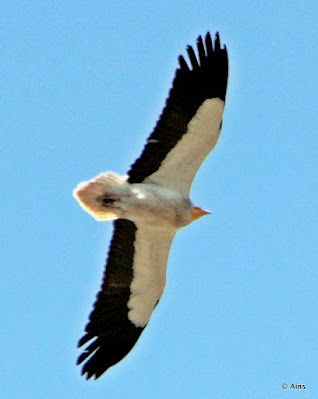 |
Egyptian Vultur Neophron percnopterus. |

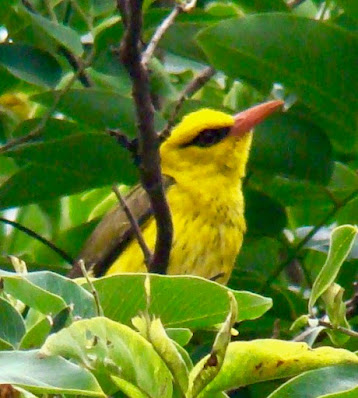 |
| Eurasian Golden Oriole Oriolus oriolus kundoo |
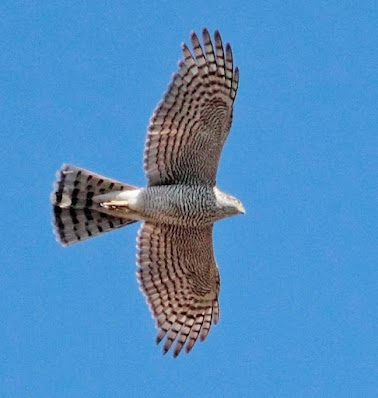 |
| Eurasian Sparrowhawk Accipiter nisus |

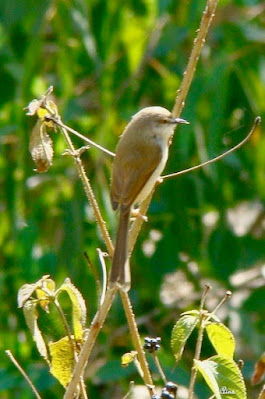 |
| Graceful Prinia Prinia gracilis |




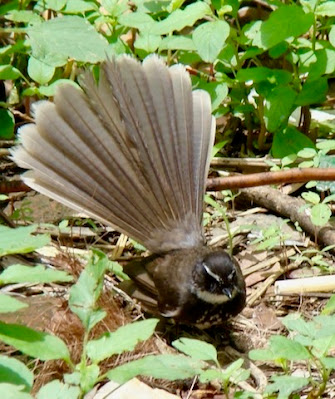 |
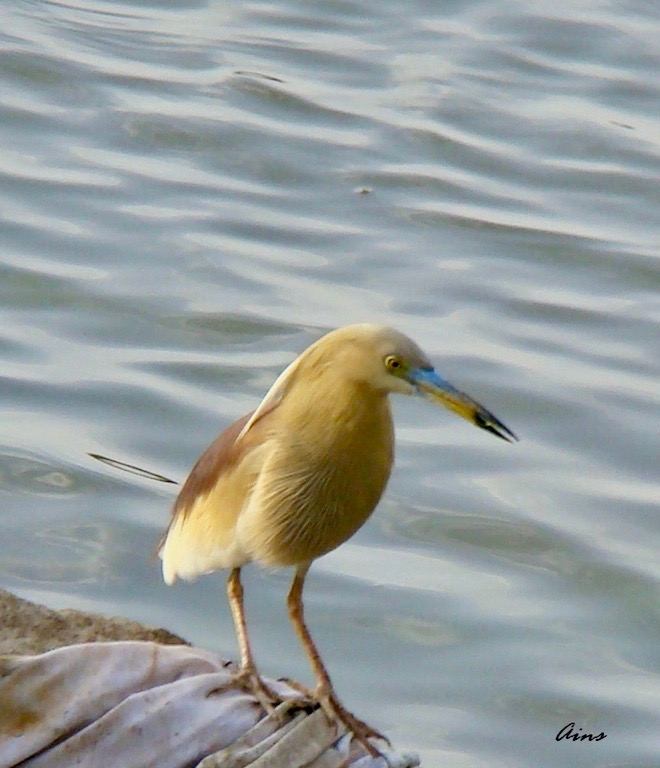
| Spot-breasted Fantail - Rhipidura albogularis |


%20Falco%20peregrinus%20%20%20%200F4A5915.jpg)


No comments:
Post a Comment